Most STRIVE research is conducted in India, South Africa and Tanzania. All affected by HIV, these countries have diverse epidemics and cultural contexts, providing opportunities for comparative learning. STRIVE prioritises research that can be used to press for policy and other change to
- enhance the impact of proven HIV prevention strategies,
- reduce HIV
- reduce the economic burden of HIV/AIDS on families and governments and thus
- contribute towards the achievement of the Millennium Development Goals.
To address structural determinants of HIV – such as gender inequality, labour migration or alcohol use – requires extensive collaboration across disciplines and ministries. STRIVE seeks to share valuable learning about overcoming the methodological challenges of working this way.
-
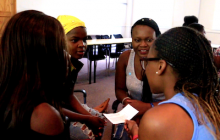
The EMPOWER study: Evaluation of a combination HIV prevention intervention for adolescent girls and young women
Drivers: Biomedical interventions, Violence against women and girlsMethods: Evaluating interventions -
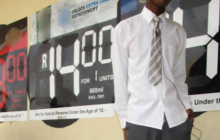
Multi-country study of alcohol and youth
Drivers: Alcohol and HIV risk -
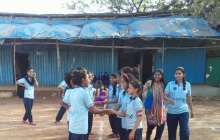
Parivartan for Girls
Drivers: Gender and social norms -

Samvedana Plus: Reducing violence and increasing condom use in the intimate partnerships of female sex workers
Drivers: Violence against women and girls -
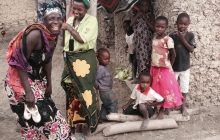
Maisha: Microfinance and gender training to reduce violence against women
Drivers: Violence against women and girls -

Samata: Keeping girls in secondary school
Drivers: Gender and social norms -

SASA! Act now against violence
Drivers: Violence against women and girls -

Community mobilisation among sex worker collectives
Drivers: Violence against women and girls, Poverty and livelihood options, HIV-related stigma and discriminationMethods: Measuring structural factors